Table Of Content
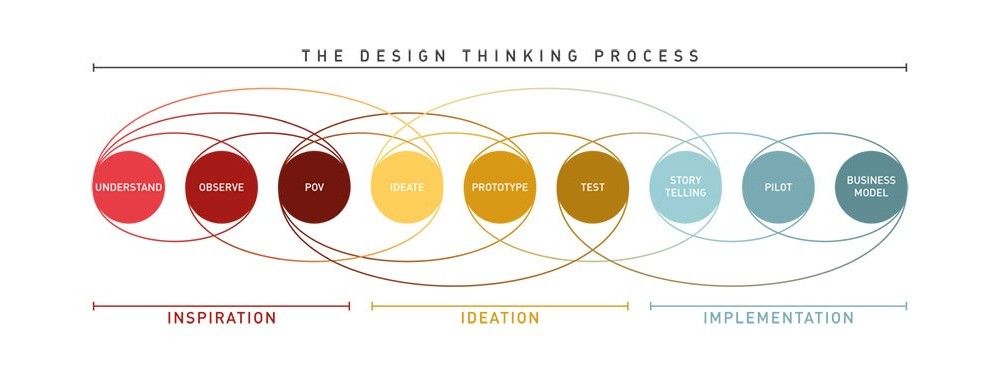
This article delves into these critical steps and offers tips for effectively running design thinking workshops. It’s difficult to truly appreciate the design thinking process without understanding what it looks like with real-life examples and exercises. This guide has shown several practical tips and examples you can draw upon to create a roadmap for escaping design process stagnation and inspiring a change of direction.
Negative Feedback is Your Way to Learn and Improve
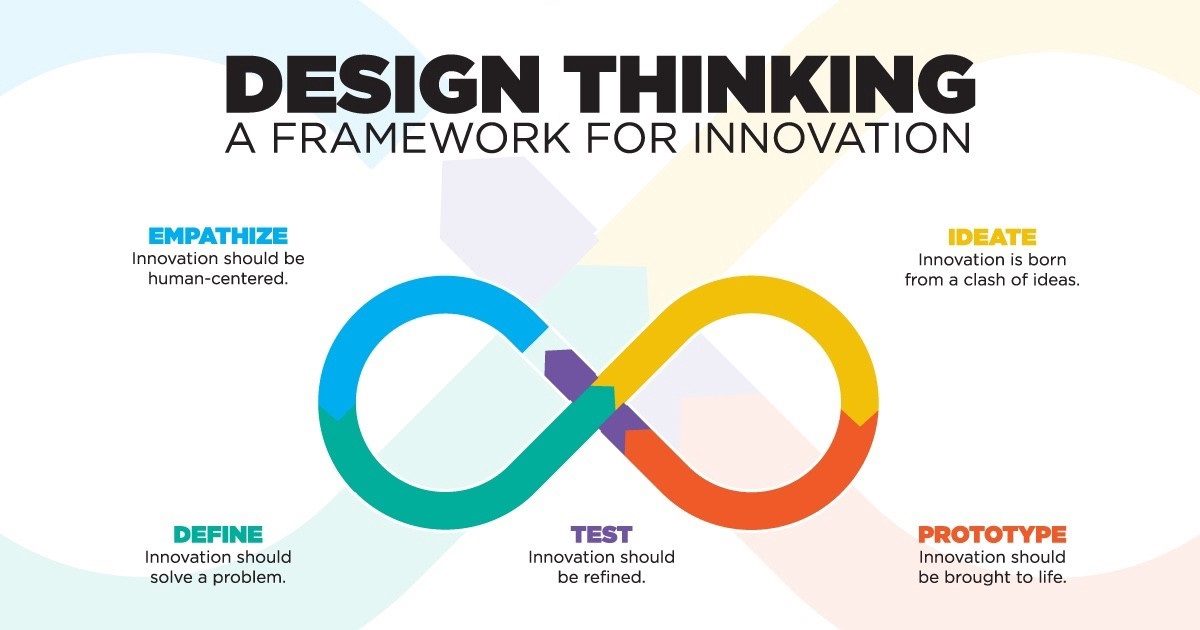
Learn the full user experience (UX) process from research to interaction design to prototyping. As a designer, you might invite your colleagues from other departments to harness a diversity of ideas. Design Thinking workshops aren’t just for designers, though; all teams can use and benefit from this creative approach to problem-solving. There are multiple design thinking frameworks, each with a different number of steps and phase names. One of the most popular frameworks is the Stanford d.School 5-stage process.
Common challenges in design thinking
Select a program, get paired with an expert mentor and tutor, and become a job-ready designer, developer, or analyst from scratch, or your money back. The testing phase will quickly highlight any design flaws that must be addressed. Based on what you learn through user testing, you’ll go back and make improvements.
Design thinking in the age of artificial intelligence - Thot Cursus
Design thinking in the age of artificial intelligence.
Posted: Tue, 03 Oct 2023 07:00:00 GMT [source]
What Tasks Will You Perform as a UX Researcher?
It’s essential, however, to anchor abstract ideas in concrete thinking to ensure the solution is valid and useful. Design thinking is different from other innovation and ideation processes in that it’s solution-based and user-centric rather than problem-based. This means it focuses on the solution to a problem instead of the problem itself. Here, the prototypes are presented to the users, and their interactions and feedback are observed.
What is the Design Thinking? Definition, Importance, Examples, and Process
Design thinking reverses this process and advocates that teams begin with desirability and bring in the other two lenses later. The mission of the MIT Sloan School of Management is to develop principled, innovative leaders who improve the world and to generate ideas that advance management practice. Through intellectual rigor and experiential learning, this full-time, two-year MBA program develops leaders who make a difference in the world. This website is using a security service to protect itself from online attacks.
These participants will use the product while you observe their interactions and listen to their feedback. These tasks should reflect common actions users would perform with the product. As users engage with the product, take notes on their behavior, any difficulties they encounter and their feedback. Initially, test early prototypes to catch major usability issues early on.
What Are the 5 Phases of Design Thinking?
Design and the circular economy – deep dive - ellenmacarthurfoundation.org
Design and the circular economy – deep dive.
Posted: Thu, 19 Oct 2023 05:44:40 GMT [source]
The following sections describe the Stages and Steps of the Design Thinking process, including what their objectives and key activities. While anyone can participate in Design Thinking, coaching a team through the process does take practice. Facilitating the Design Thinking process typically entails coordinating research efforts and running multi-day workshops. Embrace Design Thinking—it's more than a process; it's a way to a better, more empathetic, and innovative world. Use the two variations of this exercise to draw up a list of pros and cons for each suggestion made so that you can be sure you’ve covered all bases and end up with the perfect solution.

You only get one chance to make a first impression, so it’s important to know what users say, think and feel when they first encounter your solution. Tools like the Feedback Capture Grid help organize user impressions to inform the design of higher-fidelity prototypes. Making abstract ideas more tangible is an important first step in prototyping. It allows teams to compare strategic alternatives before committing resources, and provides valuable context for technical teams during production. Sketches, storyboards, or other ways to capture the concept will work well. User stories provide UX teams with a single source of truth to design solutions with.
New to UX Design? We’re Giving You a Free ebook!
We’ll use the design thinking process from here onwards to illustrate our points, but we could have used any iterative design process to make our points. Almost all UX design processes share the same phases, even though some might differ slightly from one another. This publication is highly influential as it introduced the concept of contextual inquiry, a user-centered design method that involves observing and interviewing users in their natural environment. It has become a cornerstone of the UX design process, helping teams develop a deep understanding of user needs and behaviors.
It’s important to ensure a steady stream of ideas and put them under scrutiny to make sure there aren’t any obvious flaws that would prevent the ideas from leading to a successful product. There are numerous reasons to engage in design thinking, enough to merit a standalone article, but in summary, design thinking achieves all these advantages at the same time. Design thinking has changed the way people think about innovation—especially in business. While the concept originated from designers, professionals have adapted the process to solve business problems more effectively. Here are some specific skills to help your design thinking process run smoothly. For organizations who’ve never run a design thinking workshop before, it can feel like a big change in how you approach the design process.
These insights will be invaluable as you move through the design thinking process and start ideating and prototyping solutions to the most common issues affecting your users. For many design teams and creative folks, the idea of designing something with other people can be enough to make them shudder. But the design thinking process isn’t about “making the logo 10% bigger” or “using a different shade of blue.” It’s user- and solution-focused.
The first step is to realize that all UX roles exist to serve the design process. So, a great way for us to understand them is to examine how they contribute to the design process. We perform a whole slew of UX tasks as we go through a design process to create a final design. For instance, we usually start with gaining a deep understanding of users before we go on to create designs and test them with users. Different UX roles simply take charge of different subsets of these UX tasks.
Apple’s iPhone is a classic example of Design Thinking in product development. The iPhone revolutionized the smartphone industry by focusing on user experience, simplicity, and intuitive design. Apple’s design team used empathetic research to understand user needs and behaviors, resulting in a device that seamlessly integrates hardware and software to provide a delightful user experience. What’s special (but not radical) about design thinking is that designers—and all creative people for that matter—have been using these methods of creative development intuitively since the beginning of time. Design thinking, in many ways, is simply an articulation and codification of the creative process that drives all human endeavors.
Upwork outlined one of the key takeaways from the experience as the need for engagement during design thinking sessions. It’s easy to shy away from offering your input or opinion in a brainstorming session at the office, but even easier to do so from behind your computer screen. As such, icebreaker activities and a clear focus can help keep everyone on the same page and encourage active participation. For Digital Ventures (DV), the design thinking process is instrumental in analyzing how fortune 500 companies can grow upon their success and find new opportunities.


No comments:
Post a Comment